Enhancing Visuals with 3D Location Illustration
3D Location Illustration is a powerful tool that can transform the way you present and visualize spaces. This advanced form of illustration goes beyond traditional 2D graphics, offering a more immersive and engaging experience. Whether you are designing a website, creating a mobile application, or preparing a presentation, 3D Location Illustration can make your project stand out.
What is 3D Location Illustration?
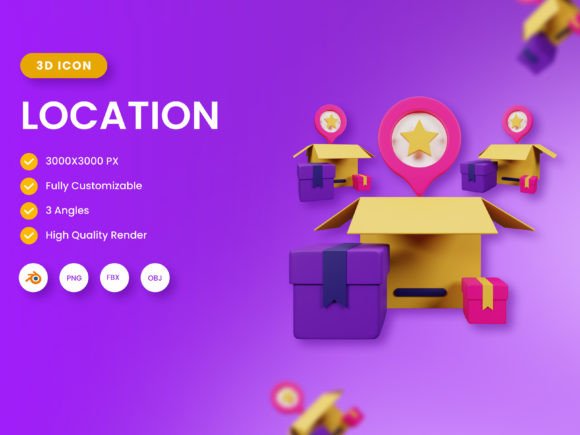
3D Location Illustration involves creating detailed, three-dimensional representations of specific locations or environments. These illustrations are not just visually appealing; they provide a realistic and interactive way to explore and understand the space. The key features of 3D Location Illustration include:
- 3000x3000 px Resolution: High-definition images that ensure clarity and detail.
- Full Customizability: Tailor the illustration to fit your specific needs and preferences.
- Three Angles: View the location from multiple perspectives for a comprehensive understanding.
- High-Quality Render: Professional-grade rendering that enhances the visual appeal.
- Blender File Format (BLEND, PNG, FBX, OBJ): Compatibility with various software and platforms.
Comparing 3D Location Illustration with Other Options
When considering 3D Location Illustration, it's essential to compare it with other visualization methods. Traditional 2D illustrations, for example, are simpler and often more cost-effective. However, they lack the depth and interactivity that 3D illustrations offer. On the other hand, 3D models and animations can be more complex and resource-intensive, but they provide a dynamic and lifelike experience.
Strengths and Tradeoffs
The primary strength of 3D Location Illustration lies in its ability to create a highly detailed and realistic representation of a space. This makes it ideal for projects where visual accuracy and engagement are crucial. For instance, in architectural presentations, 3D illustrations can help clients better understand and visualize the proposed design.
However, there are tradeoffs to consider. 3D illustrations require more time and expertise to create compared to 2D graphics. Additionally, they may not be suitable for all types of projects, especially those with tight deadlines or limited budgets.
Best-Fit Situations
3D Location Illustration is particularly well-suited for:
- Website Design: Enhance user experience by providing interactive and detailed visuals of products or services.
- Mobile Applications: Create immersive and engaging interfaces that stand out in a crowded app market.
- Presentations: Make your presentations more compelling and memorable with high-quality 3D visuals.
- Analytical Reports: Provide a clear and detailed representation of data and findings.
- Infographics: Add depth and interactivity to your infographics, making them more informative and engaging.
- Website Templates: Offer a unique and visually appealing template that sets your website apart.
Limitations and Decision Factors
While 3D Location Illustration offers many benefits, it also has some limitations. One of the main considerations is the complexity and cost involved in creating these illustrations. If your project has a tight budget or a short timeline, 3D illustrations may not be the most practical choice. Additionally, the level of detail and realism may not always be necessary for every type of project.
When deciding whether 3D Location Illustration is right for your project, consider the following factors:
- Project Requirements: Determine if the project demands high levels of detail and interactivity.
- Budget and Resources: Assess the available budget and the resources needed to create 3D illustrations.
- Target Audience: Consider the preferences and expectations of your target audience.
- Technical Expertise: Evaluate the technical skills and tools available to create and manage 3D illustrations.
Realistic Examples and Practical Comparisons
Let's look at a few examples to illustrate when 3D Location Illustration might be the best choice:
- Architectural Firm: An architectural firm can use 3D Location Illustration to showcase their designs in a more engaging and realistic way. This can help potential clients better understand and appreciate the proposed structures.
- E-commerce Website: An e-commerce platform can use 3D illustrations to provide a more interactive and detailed view of their products. This can enhance the shopping experience and increase customer satisfaction.
- Corporate Presentation: A company presenting a new office layout can use 3D illustrations to give employees a clear and detailed view of the new space. This can help in better communication and planning.
In contrast, for a simple blog post or a basic informational website, 2D graphics or photographs might be more appropriate and cost-effective.
Making an Informed Decision
Choosing the right visualization method for your project is crucial. 3D Location Illustration offers a unique and powerful way to represent spaces, but it's important to weigh the benefits against the costs and complexities. By considering your project requirements, budget, and target audience, you can make a more informed decision that best meets your needs.
If you have any suggestions on what we should include for our next update, please write to us. Your feedback is valuable in helping us improve and provide the best possible solutions for your projects.